

Category: Construction Company

Construction Tech in 2025, Q3 and Q4 | Surety Bond Professionals

Construction Tech in 2025, Q3 and Q4 | Surety Bond Professionals

In Q3–Q4 2025, construction teams are leaning on autonomous drones and unified reality-capture platforms to speed inspections, tighten coordination, and improve safety. The biggest gains come from multi-sensor autonomy, on-edge processing, and centralized “single source of truth” models that link site visuals to BIM and schedules. 

Read more

Will the 179D Deduction Derail Office-to-Residential Conversions?

Will the 179D Deduction Derail Office-to-Residential Conversions?

The 179D deduction will not entirely derail office-to-residential conversions, but it tightens the limits. Projects that start before June 30, 2026, can still utilize § 179D. However, after this cutoff, conversions lose an energy-efficiency deduction, which narrows margins and prompts teams to consider other federal depreciation options and state/local incentives.

Read more
Grid Infrastructure Soars in 2025

Grid Infrastructure Soars in 2025

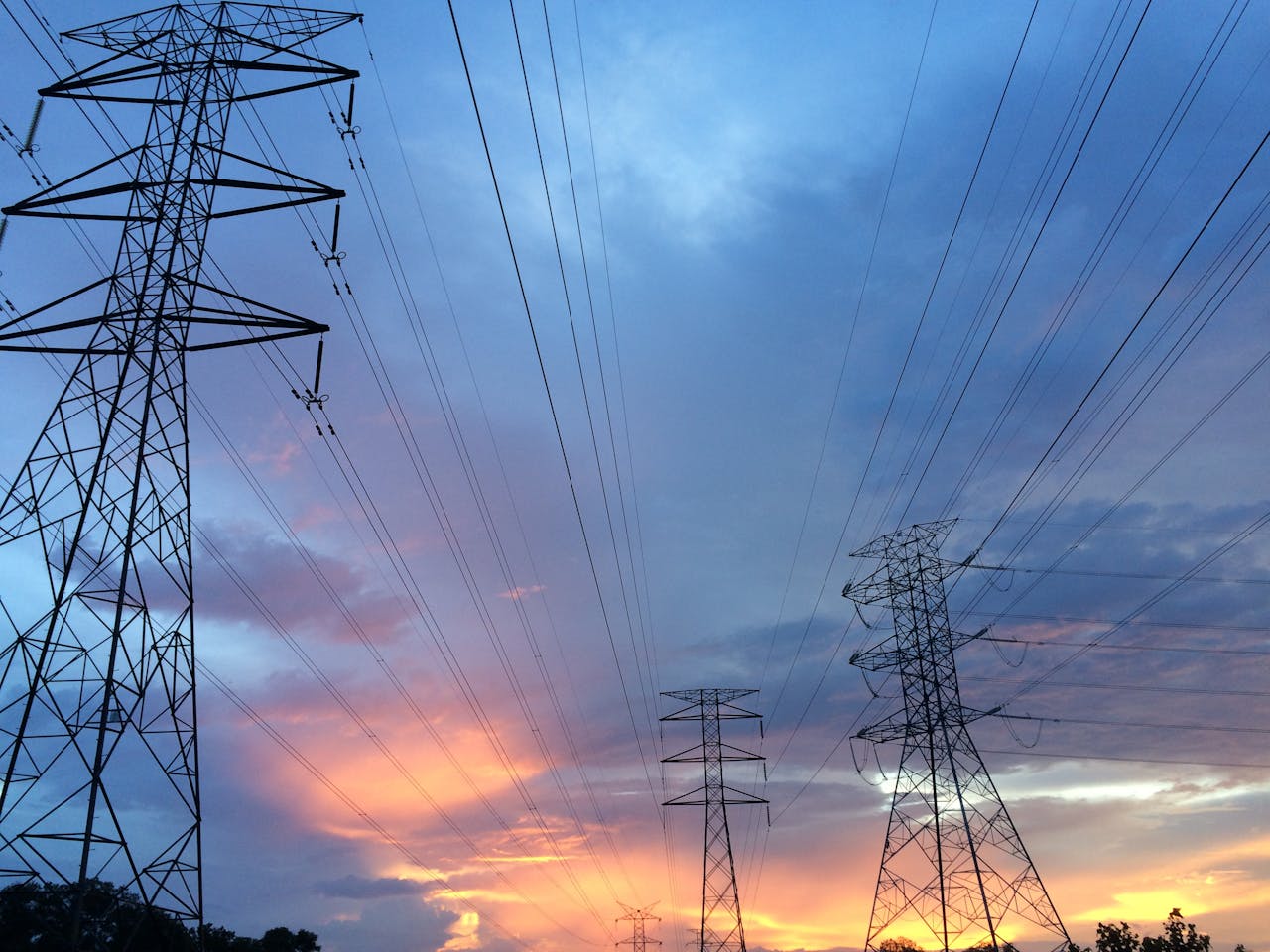
Federal Funding Supercharges Grid Projects  Record federal spending, landmark regulation, and a surge in demand for electricity have pushed transmission and distribution work to the top of contractors’ bid lists in 2025. The $10.5 billion Grid Resilience and Innovation Partnerships (GRIP) program began issuing grants in January, while data center-driven load is projected to more than double by 2030, according to the International Energy Agency (IEA). Altogether, federal and state governments are steering more than $40 billion toward wires, poles, and advanced controls in this budget cycle alone. 

Read more
Can AI Reduce Construction Project Delays?

Can AI Reduce Construction Project Delays?

Project overruns are so common that a 2024 McKinsey update called schedule slippage “the new normal,” with approximately 70% of large jobs finishing late worldwide. The update argued that narrowing this gap depends on data-driven interventions, especially artificial intelligence, because traditional critical path methods can’t keep pace with today’s multitrade, multisupplier complexity. 

Read more
2025 IRS Updates for Solar Tax Credits

2025 IRS Updates for Solar Tax Credits

The Inflation Reduction Act (IRA) transformed the solar Investment Tax Credit (ITC) in 2022, and the Internal Revenue Service spent the next two years writing the fine print. 2025 is the first calendar year in which most of the rules take effect. Contractors, EPCs, and module suppliers that understand the new solar tax credit framework can capture as much as 50% of project cost in federal incentives, while missteps could leave money on the table. 

Read more
New & Exciting Construction Tech Releases

New & Exciting Construction Tech Releases

The construction industry’s digital transformation is no longer theoretical. Over the past 12 months, several breakthrough tools have progressed from pilot tests to job-site staples, promising to trim schedules, improve safety, and lower the total cost of every build. Below is a snapshot of five innovations worth tracking. 

Read more
Texas Leads the Renewable Energy Revolution

Texas Leads the Renewable Energy Revolution

When most people think of Texas, they picture oil rigs, cowboy hats, and sunbaked land. But Texas is fast becoming known for something quite different: clean, renewable energy. The Lone Star State has become the undisputed leader in America’s renewable energy revolution, outpacing more traditionally “green” states and setting the pace for the rest of the country. 

Read more
A History of Decommissioning Bonds

A History of Decommissioning Bonds

Decommissioning bonds play a crucial role in the renewable energy sector in the United States, ensuring the responsible management of renewable energy projects throughout their lifecycle. They guarantee funds will be available for the eventual decommissioning and site restoration of renewable energy facilities at the end of their operational lives. Here’s an in-depth look at the history and significance of decommissioning bonds in the U.S. renewable energy sector. 

Read more
Construction Sector Impacts of Steel & Aluminum Tariffs

Construction Sector Impacts of Steel & Aluminum Tariffs

During his first administration, President Trump invoked Section 232 of the Trade Expansion Act to impose tariffs on steel and aluminum imports into the United States. The reasoning was that these imports threatened national security by weakening domestic production capabilities and undermining industries crucial to defense and infrastructure. In early 2025, the federal administration reinstated a blanket 25% tariff on steel. It increased the aluminum tariff from 10% to 25%, replacing the modified tariff-rate quotas and exemptions implemented in recent years with a uniform policy across all steel and aluminum imports. 

Read more
California High-Speed Rail Project May Face Federal Investigation

California High-Speed Rail Project May Face Federal Investigation

California’s long-delayed high-speed rail (HSR) may be in jeopardy. In late February, U.S. Transportation Secretary Sean Duffy ordered the Federal Railroad Administration (FRA) to conduct a “compliance and performance review” of roughly $4 billion in federal grants awarded to the California High-Speed Rail Authority (CHSRA). The FRA will decide whether the state has honored its grant agreements and, if not, whether the federal government should claw the money back. If that were to happen, the Central Valley spine construction project currently underway could face an immediate cash crisis. 

Read more